Types of Narrative Practice
What Is Narrative Medicine? Definition, Examples, Careers, and Core Practices
Narrative Medicine is a relational approach to healthcare that includes training in close reading, attentive listening, and reflecting. This “mindset + methodology” approach aims to deepen the understanding between patients and clinicians.
What Is Narrative Medicine?

A Narrative Medicine workshop
Narrative Medicine is a relational approach to healthcare that includes training in close reading, attentive listening, and reflecting. This “mindset + methodology” approach aims to deepen the understanding between patients and clinicians, or in non-medical settings, providers and recipients.
Aligned with the tenets of attention, representation, and affiliation, Narrative Medicine draws from the social sciences and humanities to train professionals in skills that enhance patient, client, and employee care; support clinician and provider well-being, and strengthen medical, public health and business education. At its core, Narrative Medicine fosters empathy and improves communication.
Narrative Medicine complements the bio-medical model by combining Evidence-Based Medicine (EBM) with Narrative-Based Medicine (NBM), two foundational pillars of modern medical education. While EBM focuses on objective data, scientific rigor, and clinical trials, NBM prioritizes patient storytelling, physician empathy, and the subjective human experience of illness. Together, they bridge the gap between wellness and illness, diagnosis and treatment, recognition and response.
Goals
Enhance communication, reduce clinician burnout, improve team dynamics, support underserved populations, and help patients and recipients feel seen and understood.
Not Therapy
Although Narrative Medicine is not therapy, it is often described as therapeutic. Narrative Therapy is a separate, distinct practice.
Methods
Workshops often use creative arts, painting, sculpture, theater, multimedia works, reflective writing, poetry, and literature as third objects.
Core Idea
Narrative Medicine treats narrative as a legitimate and generative form of knowledge production.
Narrative Medicine is an interdisciplinary practice grounded in the humanities and social sciences, employing rigorous, interpretive modes of attentive listening to treat narrative as a legitimate and generative form of knowledge production. It advances work in public health, healthcare, social justice, and organizational wellbeing by rendering visible the structures of lived experience, supporting processes of meaning-making, and enabling practitioners to provide more holistic, relational, and contextually informed understandings of persons and systems.
Narrative medicine uses a three-part structure of attention, representation, and affiliation in its pedagogy and practice.
Origins of Narrative Medicine
Narrative Medicine emerged at the intersection of medicine, literary studies, ethics, philosophy, and the social sciences. It is grounded in the belief that clinical care is strengthened when practitioners are trained to understand and interpret the stories of illness.
Although the practice draws elements from existing work in the humanities and social sciences, the term narrative medicine was popularized in the early 2000s by Dr. Rita Charon, a physician and literary scholar at Columbia University, who helped formalize the field and articulate the core principles of narrative competence, close reading, and reflective writing.
In 2000, the medical school introduced its first formal narrative medicine course, which later became required. In 2009, Columbia inaugurated the Master of Science in Narrative Medicine, the first graduate degree of its kind.
Key Scholars and Contributors
Rita Charon
MD, PhD; internist and literary scholar, Bernard Schoenberg Professor of Social Medicine, Professor of Medicine, and Founding Chair of the Department of Medical Humanities & Ethics at Columbia University. She is also the Founder and Executive Director of the Program in Narrative Medicine at Columbia University.
Craig Irvine
PhD in Philosophy; co-director of the Program in Narrative Medicine at Columbia; known for work in ethics, phenomenology, and the philosophy of illness.
Maura Spiegel
PhD in English and Comparative Literature; senior lecturer at Columbia; scholar of literature, film, and narrative theory.
Sayantani DasGupta
MD, MPH; pediatrician, narrative scholar, and expert in health equity, storytelling, and South Asian American studies.
Together, these co-founders not only shaped narrative medicine into a distinct interdisciplinary practice that combines clinical expertise with literary analysis, ethics, cultural studies, and qualitative research, but also established narrative medicine as a distinct field of study in the medical humanities and medical training programs dedicated to improving patient care, strengthening communication, and deepening clinicians’ understanding of the lived experience of illness.
Core Principles of Narrative Medicine
Narrative Competence
The capacity to recognize, absorb, interpret, and be moved by the stories of others.
Empathy
Deepening clinicians’ ability to connect with patients.
Reflection
Encouraging self-awareness and resilience in healthcare providers.
Interdisciplinarity
Drawing from the social sciences and humanities.
Clinical Applications of Narrative Medicine

Patient-clinician communication
- Enhancing doctor-patient communication.
- Improving diagnostic accuracy through narrative context.
- Supporting palliative and end-of-life care.
- Training health care professionals in close listening and empathy.
Benefits for Burnout and Empathy
- Reduces clinician/provider burnout by fostering reflection and meaning-making.
- Strengthens individual and collective empathy, leading to more compassionate care.
- Provides resilience tools for high-stress environments.
Who Practices Narrative Medicine?
- Physicians, nurses, and allied health professionals.
- Public health, corporate and non-profit professionals.
- Medical educators and general educators.
- Social workers, chaplains, and patient advocates.
- Scholars in literature, ethics, and medical humanities.
- Corporate professionals in a variety of roles including, but not limited to, marketing, research, communications, and human resource management.
Choosing a Narrative Medicine Program: Degrees, Certificates, and Online Pathways
For more detailed information and a listing of programs and career opportunities go to Narrative Mindworks Careers & Resources.
Key Considerations When Choosing a Program
- Accreditation and reputation.
- Faculty expertise.
- Balance of theory and clinical application.
- Opportunities for interdisciplinary collaboration.
Careers in Narrative Medicine
A career in Narrative Medicine uses narrative-informed communication skills to strengthen understanding and connection across healthcare and related fields. Professionals develop narrative competence and learn how to apply it in medical settings, public health, government, education, and corporate environments.
They may work in advocacy, writing, consulting, or organizational development, helping teams integrate storytelling into training, patient care, and workplace culture. Roles often include managing teams, teaching workshops, conducting research, or designing programs that use narrative practices to improve communication, empathy, and collaboration.
Why Narrative Medicine, Why Now?
The need for Narrative Medicine is outpacing the supply; narrative medicine enhances the quality and impact of healthcare, public health, and organizational communications by placing human stories at the center of practice.
In healthcare, it strengthens clinicians’ ability to listen, interpret, and respond to patients’ experiences with greater empathy and precision, improving both trust and clinical outcomes. In public health, narrative approaches illuminate the lived realities behind data, helping practitioners understand community perspectives, address inequities, and design interventions that resonate with diverse populations. In communications, narrative medicine supports the creation of clear, compelling, and culturally sensitive messages that connect with audiences on a human level, improving engagement and understanding.
Skills and Qualifications for Narrative Medicine Roles
To thrive in Narrative Medicine, you need a background in the humanities, strong narrative and analytical skills, and often an advanced degree in business, journalism, public health, social work, medicine, nursing, or related fields. Familiarity with clinical or customer relationship management platforms and training in reflective writing or narrative theory are commonly valuable.
Outstanding interpersonal communication, empathy, and cultural sensitivity help professionals excel in facilitating patient, or client storytelling and fostering clinician-patient and provider-recipient connections. These competencies are crucial for promoting compassionate, holistic environments of support and integrating patient/client narratives into clinical, organizational practice.
What Types of Career Fields Utilize Narrative Medicine Skills?
Career fields that utilize narrative writing skills include corporate communications, non-profit management, health literacy training, social and community work, content marketing, journalism, wellbeing, organizational communication, medical communication, and public health communication. Many positions require the ability to understand, interpret and distill complex stories that do not always convey information clearly. Developing strong research, editing, and empathy skills enhances effectiveness.
What Are the Typical Responsibilities and Daily Activities?
A workday may be a mix of teaching, facilitation, writing, program development, and collaboration. The responsibilities vary by setting - hospital, corporation, university, public-health agency, or nonprofit, but the core activities revolve around strengthening how people in professions understand and communicate story to advance patient care/community health/client, employee support, and organizational systems.
Examples of Roles Using Narrative Medicine Skills
| Role Type | Example Job Titles | Primary Responsibilities | Typical Salary Range |
|---|---|---|---|
| Academic Educator | Lecturer, Instructor, Adjunct Faculty, Humanities-in-Medicine Educator | Teaching, curriculum design, workshop facilitation, research | $55,000-$95,000 |
| Program Coordinator / Manager | Program Coordinator, Narrative Medicine Manager, Wellness Program Manager | Program operations, event planning, workshop support, communications | $60,000-$100,000 |
| Hospital-Based Specialist | Patient Experience Specialist, Clinician Well-Being Coordinator, Communication Skills Trainer | Staff training, reflective sessions, patient-experience initiatives | $70,000-$120,000 |
| Director / Leadership Roles | Director of Narrative Medicine, Director of Humanities in Medicine, Program Director | Strategic leadership, curriculum oversight, grant management, partnerships | $90,000-$250,000+ |
| Clinical Professionals Using Narrative Medicine | Physicians, NPs, PAs, Therapists | Clinical care enhanced by narrative practices | Paid by clinical specialty |
| Community & Public Health Roles | Community Engagement Specialist, Health Communications Specialist, Storytelling Program Lead | Community storytelling, qualitative research, public-health messaging | $60,000-$110,000 |
| Writing & Editorial Roles | Medical Writer, Narrative Strategist, Editorial Lead | Writing, editing, content development, narrative strategy | $65,000-$120,000 |
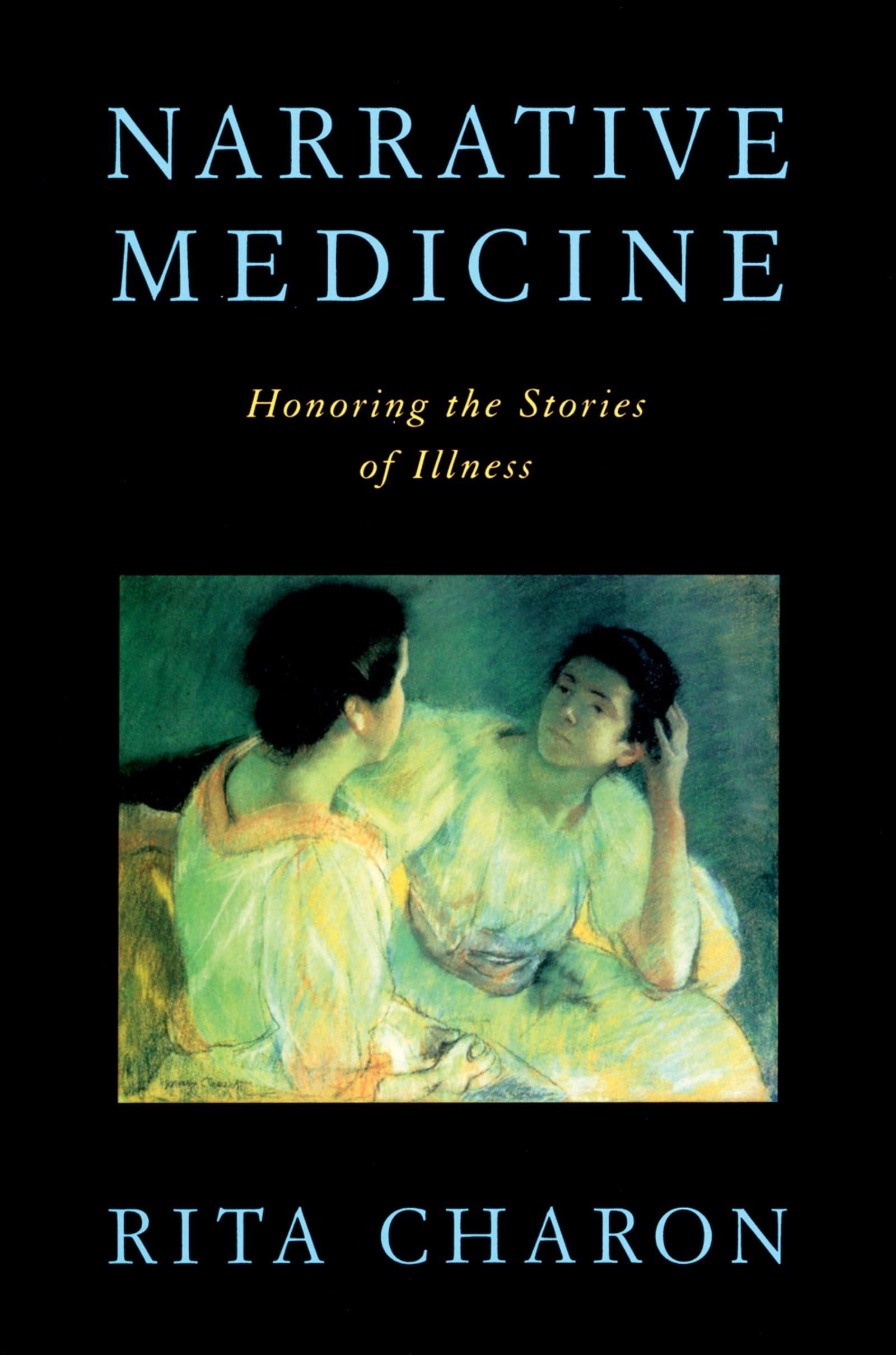
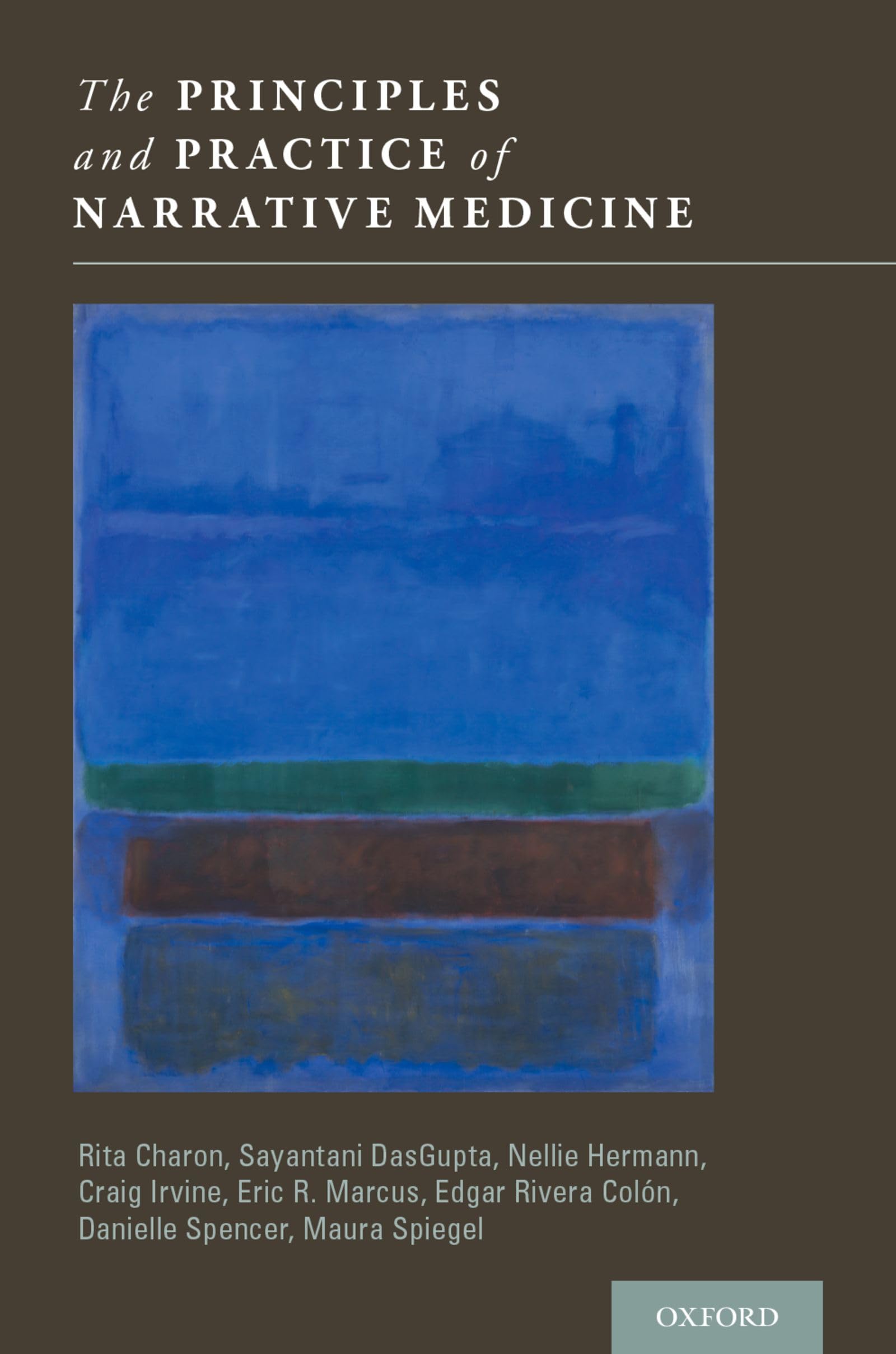
Selected Books


Find a Narrative Medicine Practitioner, Mentor or Consultant
Contact us at
Sources for Salary Information
Bureau of Labor Statistics (BLS) - Occupational Employment and Wage Statistics for relevant job categories, including postsecondary teachers, health education specialists, medical and health services managers. American Association of University Professors (AAUP) - Annual faculty salary reports for academic roles. Chronicle of Higher Education Salary Database - Compensation data for university instructors and program directors. MGMA (Medical Group Management Association) - Compensation benchmarks for hospital-based administrative and wellness roles. AAMC Physician Compensation Reports - Salary data for physicians who integrate narrative practices into clinical work. APHA (American Public Health Association) - Public-health workforce salary reports. HigherEdJobs Salary Listings - Compensation data for academic program coordinators and directors. Glassdoor, LinkedIn, and Indeed Salary Insights - Aggregated salary ranges for program managers, patient-experience specialists, and communication educators. Public salary disclosures from major universities and health systems, including Columbia University, NYU Langone, Mount Sinai.